What Are My Medals Worth?
Discover what your military medals and inherited medal collection could be worth. Get a free initial valuation and specialist auction guidance from Sell My Medals.
Get a Free Medal Valuation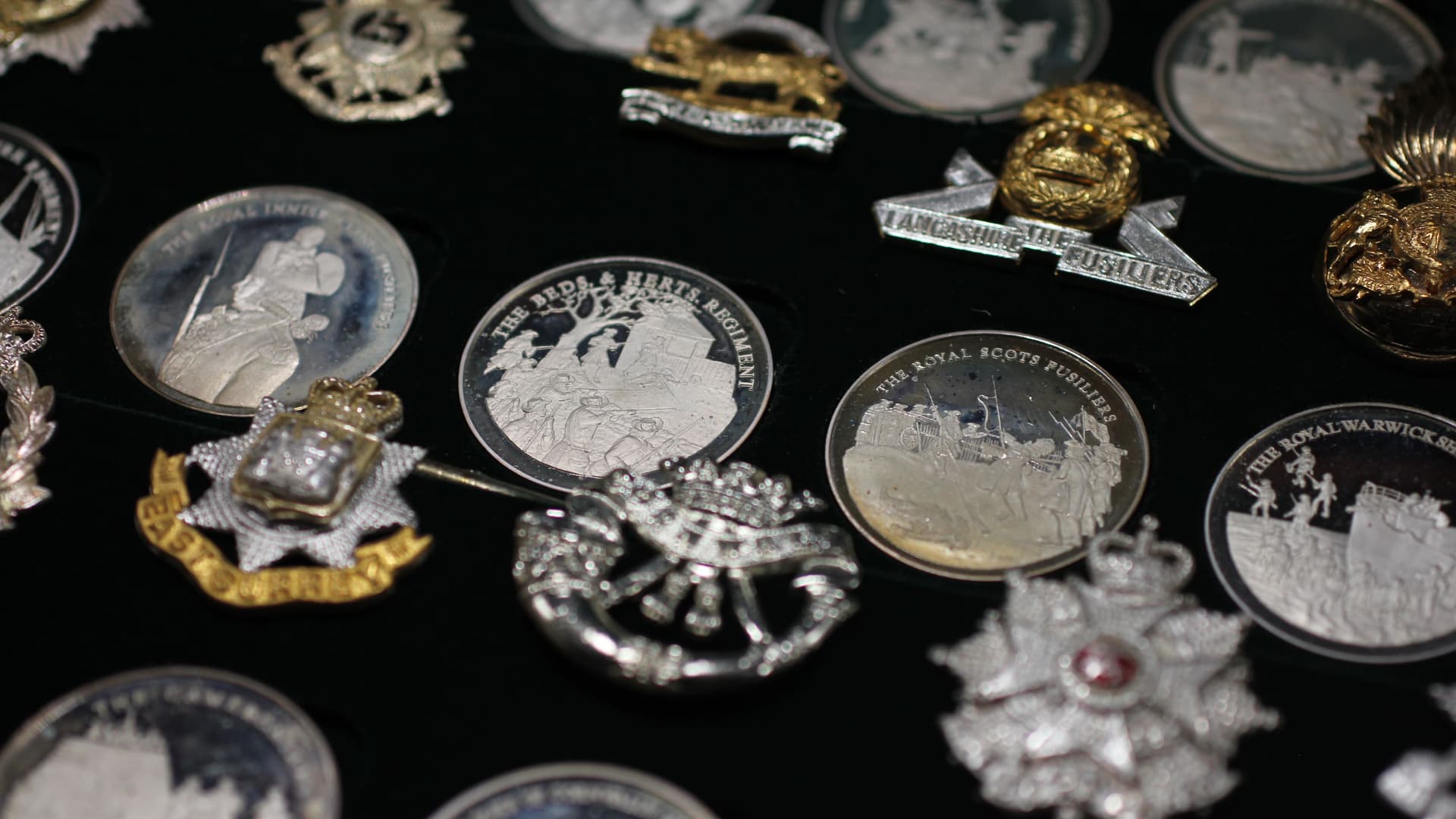
How Much Are My Military Medals Worth?
If you have been asking, "what are my medals worth?", the answer depends on much more than the age or appearance of a medal. Military medal values can be influenced by the award itself, rarity, condition, the recipient's identity, campaign history, original naming, clasps, provenance and current collector demand.
At Sell My Medals, we help people understand the potential value of individual medals and complete collections. Whether you have inherited British war medals, found family campaign medals, own a gallantry decoration or are considering selling a collection, our free initial valuation service can help you explore your options.
An asking price in an online listing is not the same as a confirmed sale price. Auction results, where comparable and verifiable, can provide useful evidence of collector demand. A realistic assessment should take account of the particular medal, its history, condition and the costs and terms of any proposed sale.
Medal Identification
Understand the type of medal you have, its award criteria, campaign, clasps, naming and the details that may help establish its identity and significance.
Market & Auction Research
Comparable auction results can help explain collector demand. Values vary by medal, recipient, condition, provenance and the market at the time of sale.
Realistic Valuation Guidance
Understand the difference between an insurance estimate, a guide price, an auction estimate and the price a medal might actually achieve when sold.
Free Initial Valuation
Submit clear photographs and relevant details for an initial assessment without upfront valuation charges or any obligation to sell.
Get Free Medal ValuationWhich Military Medals Can Be Valuable?
There is no single price for a particular category of medal. Two awards of the same type may attract very different prices depending on rarity, recipient history, condition and supporting documentation. The following categories are worth considering when reviewing a medal collection.
1. British Campaign and Service Medals
- First World War medals: British campaign awards, including the 1914 Star, 1914–15 Star, British War Medal and Victory Medal. Groups awarded to the same person, unusual service histories and supporting records may add historical interest.
- Second World War medals: Campaign stars, the Defence Medal and War Medal 1939–1945. Values depend on the specific award, recipient, condition, groupings and associated service information.
- Earlier campaign medals: Medals associated with Victorian and earlier campaigns can attract interest, particularly where recipient details, scarce clasps or documented service provide additional historical context.
- British and Commonwealth awards: Medals issued for service across different British and Commonwealth forces may appeal to specialist collectors. The particular issue and its history are important when assessing value.
2. Gallantry Medals, Decorations and Orders
- Gallantry awards: Decorations recognising bravery can attract significant interest. The exact award, documented circumstances, recipient's service and historical evidence are important.
- Distinguished service awards: Decorations awarded for particular types of military service may have specialist collector markets. Their significance depends on the award and the evidence associated with it.
- Orders and honours: Some military and state decorations attract collectors interested in their history, award criteria, original presentation cases and provenance.
- Named and documented medals: Medals linked to identifiable recipients may be researched alongside service records, citations and historical documents. A documented history can help establish context, although it does not guarantee a higher price.
3. Medal Groups and Inherited Collections
- Groups awarded to one individual: Medals belonging together can tell a more complete service story. Retaining the original group and its associated paperwork is generally advisable.
- Medals with original paperwork: Certificates, award citations, service records, photographs and other documents may help researchers establish a recipient's identity and military history.
- Inherited medal collections: Collections may contain a mixture of campaign medals, decorations, commemorative pieces and family memorabilia. Reviewing the collection as a whole can help identify items that deserve closer investigation.
If you are unsure what you have, do not assume a medal is worthless because it looks ordinary or is in a poor state. Equally, age alone does not make every medal valuable. Identification and context are essential first steps.
What Factors Determine Military Medal Values?
Medal valuation involves weighing several factors together. A medal's award type is a starting point, but recipient information, authenticity, condition and demand can make a substantial difference to its potential auction value.
| Factor | Why It Matters | Impact on Valuation |
|---|---|---|
| Award & Rarity | The specific medal, award criteria, issue and availability to collectors. | Scarce and desirable awards may attract stronger interest, depending on the market. |
| Recipient & Naming | Recipient identity, service details and original naming that can be researched or verified. | Historical context can influence desirability and help distinguish one medal from another. |
| Condition | Wear, damage, corrosion, original finish and the state of the medal, ribbon and clasps. | Condition affects presentation, originality and collector appeal. |
| Clasps & Medal Groups | Campaign clasps, associated awards and whether medals remain together as originally issued. | Unusual combinations and intact groups may be of particular interest to specialist collectors. |
| Provenance & Paperwork | Service records, citations, certificates, family history and other supporting evidence. | Credible documentation can help establish authenticity and historical significance. |
| Collector Demand | Interest in the award, regiment, campaign, recipient and comparable auction results. | Demand and competition between bidders can affect the price achieved at auction. |
How to Research a Military Medal
Research can help explain why a medal was awarded and establish the background of the person who received it. If you have an inherited collection, start by recording the visible information without altering the medals.
1. Identify the Medal and Award
Photograph both sides of each medal and note any wording, dates, ribbon colours, clasps, design features and visible naming. These details can help establish the award and narrow down the relevant campaign or service period.
2. Record the Recipient's Details
If a medal is named, carefully record the inscription. A name, service number, regiment or unit may help connect the medal to historical military records. Do not remove a medal from its mount or attempt to alter the naming.
3. Gather Supporting Documents
Keep certificates, citations, service records, photographs, original cases and family correspondence together with the collection. Even apparently minor documents can help provide useful historical context.
4. Compare Relevant Auction Results
Look for sold examples that genuinely match the award, recipient details, condition and medal group. Asking prices are not proof of market value, and two medals of the same type may not be directly comparable. A specialist assessment can help interpret the available evidence.
Do Not Clean or Restore Your Medals Before Valuation
One of the most useful steps you can take before seeking a valuation is to leave your medals as they are. Do not polish, clean or attempt to restore them.
Abrasive products, chemical cleaners and inappropriate restoration can damage original finishes, alter surfaces and affect the condition of ribbons or other components. Originality can matter to collectors, so avoid making changes simply to improve appearance.
Handle medals carefully, keep associated items together and store them in a dry, secure place. If you have inherited medals in an original case or with their original paperwork, retain those items for the valuation.
How Our Medal Valuation Process Works
Sell My Medals offers a straightforward way to submit your medals for an initial assessment and explore the options available if you are considering a sale.
1. Submit Photographs and Details
Use our online medal valuation form to provide clear images of the front and reverse of your medals, together with photographs of ribbons, clasps, cases and relevant paperwork.
2. Initial Specialist Assessment
Your submission can be considered in terms of medal identification, condition, rarity, recipient information and historical significance. More unusual items may need additional research before a reliable assessment can be made.
3. Understand the Potential Value
Receive initial valuation guidance and information about potential auction suitability. Estimates are not guarantees of the price that will be achieved, as the final result depends on the item and the market at the time of sale.
4. Consider Your Selling Options
If you decide to proceed, suitable medals may be considered for consignment through T&T Auctions. You can review the applicable terms and seller's commission before deciding whether to sell.
Medal Valuation, Auction Estimates and Selling Prices
It is important to understand that different types of valuations serve different purposes. The value quoted in an insurance document may not be the same as an auction estimate or the amount a seller receives after commission.
- Initial valuation: An assessment of the medal's identity, potential interest and possible value based on the information available.
- Auction estimate: An estimate of the price a lot might achieve at auction. It is not a guaranteed selling price.
- Realised auction price: The price recorded when an item sells. Check whether a published result includes the buyer's premium, as this affects comparisons.
- Seller's proceeds: The amount payable to the seller after the relevant commission and any applicable charges have been deducted.
- Insurance valuation: An estimate prepared for insurance purposes, which may differ from an expected auction result.
For this reason, there is no reliable universal price list that can value every military medal. Recent comparable sales, specialist knowledge and the particular history of your item provide a more useful basis for assessment.
Frequently Asked Questions About Medal Values
How can I find out what my medals are worth?
Submit clear photographs and details through our online valuation form. A useful assessment considers the medal type, condition, recipient's name, campaign, clasps, provenance and current collector demand. Sell My Medals provides free initial valuation guidance with no obligation to sell.
Which military medals are valuable?
Values vary considerably. Gallantry decorations, scarce campaign medals, unusual clasp combinations, named medal groups and medals associated with documented service histories can attract collector interest. Common medals can also be desirable depending on their recipient, condition and historical context.
Are British war medals worth money?
Many British First World War and Second World War medals have an established collectors' market, but values vary. Factors include the award, recipient, naming, condition, associated medals, surviving paperwork and demand. A medal's age alone does not determine its value.
Are named military medals worth more?
Naming can help identify the original recipient and connect a medal to military service records. Its effect on value depends on the award, recipient, historical significance, authenticity of the naming and supporting evidence. Naming does not automatically make every medal more valuable.
How much is an inherited medal collection worth?
There is no single value for an inherited collection. It may contain campaign medals, gallantry awards, decorations, medal groups and associated documents with different levels of collector interest. Photograph the collection together and individually, and retain any original paperwork for assessment.
How long does a medal valuation take?
Timescales depend on the information supplied and the complexity of the medals. Clear photographs and details can help with an initial assessment, while unusual awards, recipient research or provenance checks may require further investigation. Contact Sell My Medals for guidance on your submission.
Find Out What Your Medals Are Worth
Whether you have inherited military medals, a single campaign award or a complete medal group, request a free initial valuation and explore your selling options.
Get Your Free Medal ValuationMilitary Medal Terms & Identification
Understanding military medal terminology can help you identify your collection. Learn about campaign medals, clasps, ribbons, decorations, medal groups, naming and provenance when researching your items.
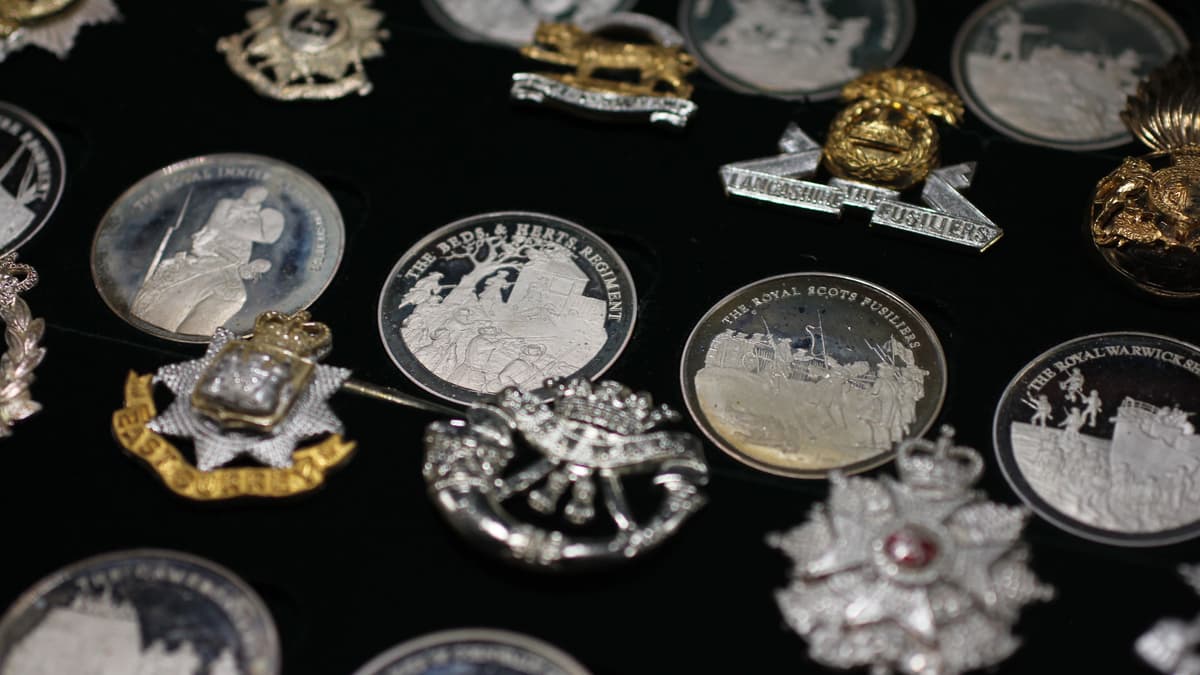
Speak to Sell My Medals
Have an inherited medal collection or need help understanding the potential value of your military medals? Contact our team for guidance on your next steps.
Email: contact@sellmymedals.co.uk
Phone: 01892 529 898