First and Second World War Medals: Can Common Medals Be Valuable?
Inherited First or Second World War medals? Discover what affects their value and how Sell My Medals can help you assess your collection.
Updated 27 October 2026
First and Second World War Medals: Can Common Medals Be Valuable?
Have you inherited First or Second World War medals and wondered whether they might be worth something?
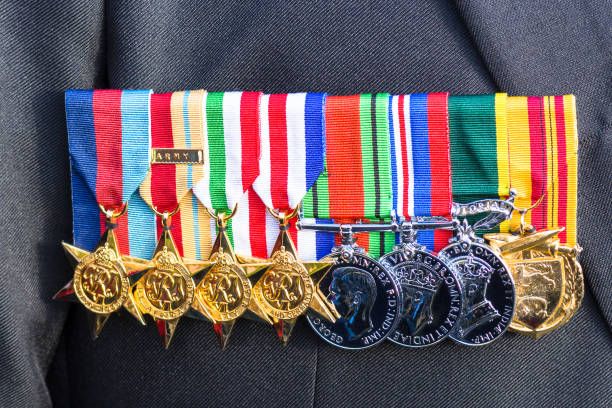
Perhaps you have found your grandfather’s medals in a drawer, discovered a collection while clearing a family home, or been given medals that have been passed down through generations. You might recognise the ribbons, but not know exactly which medals you have or whether there is any collector interest in them.
The good news is that you should not assume your medals are worthless simply because they look common. Although many British campaign medals were issued in large numbers, their value can depend on several factors, including the recipient’s service history, the medals in the group and any surviving documentation.
At Sell My Medals, we can help you take the next step towards understanding your collection and finding out what it may be worth.
Are First and Second World War Medals Worth Anything?
Yes, some can be valuable, but not every medal will command a high price.
Many British campaign medals were awarded to large numbers of eligible service personnel. The British War Medal and Victory Medal, for example, were issued on a substantial scale following the First World War. Second World War campaign stars and the War Medal 1939–1945 are also familiar items in inherited collections.
However, the number of medals originally issued is only one part of the picture. The recipient's identity, the type of award, the completeness of the group and the availability of supporting information can all influence collector interest.
A medal that appears ordinary at first glance may deserve closer examination, particularly if it can be linked to an identifiable individual or an interesting military history.
The best way to understand what you have is to have the medals identified and assessed individually, or as a complete group, by someone familiar with military medals. Our experts can give you a FREE medal valuation. It’s quick, simple and hassle free. Take a look at our process how it works.
First World War Medals: What Should You Look For?
British First World War campaign medals are often found in family collections. Understanding the most common types can help you identify what you have before seeking a valuation.
The 1914 Star and 1914–1915 Star
The 1914 Star was awarded to eligible personnel who served in France and Belgium during the specified early-war period. The 1914–1915 Star recognised qualifying service in a theatre of war during the relevant period.
Both medals are of interest to collectors of First World War history. The recipient's service, the medal's naming and any associated awards or documents may affect its desirability.
If you have one of these stars, check whether it is accompanied by other medals. A group belonging to one person may tell a more complete story than a single medal viewed in isolation.
The British War Medal
The British War Medal was awarded for qualifying service during the First World War and associated post-war operations covered by the award.
It is a common discovery in inherited medal collections. Many examples are not particularly rare in isolation, but that does not mean they should be dismissed without assessment.
The naming on the rim can provide important clues about the recipient. Depending on the service and records available, it may be possible to investigate the person's rank, unit and military history.
The Victory Medal
The Victory Medal was issued to eligible personnel who qualified for the award under the relevant service criteria.
It is frequently found alongside the British War Medal and, where applicable, a 1914 Star or 1914–1915 Star. This combination is often known as a First World War medal trio.
If you have several medals that appear to belong together, keep them together when seeking a valuation. Their connection to one recipient may be important to understanding the collection.
Second World War Medals: Are They Valuable?
Second World War medals are another common discovery among inherited military possessions.
British awards from this period include campaign stars, the Defence Medal and the War Medal 1939–1945. The particular medals issued to an individual depended on their qualifying service.
Because many were awarded in significant numbers, an individual campaign star or service medal may have limited value on its own. However, the full collection may deserve a closer look.
When assessing Second World War medals, it can be helpful to establish:
- Which medals and campaign stars are present.
- Whether the collection appears complete.
- Which branch of the armed forces the recipient served in, if known.
- Whether original documents, photographs or service records survive.
- Whether the family knows anything about the recipient's role or wartime experiences.
Unlike many British First World War campaign medals, British Second World War campaign medals were generally issued without the recipient's name impressed on the medal itself. This can make identifying the original owner more challenging.
Nevertheless, family records and other supporting documents may help connect a collection to the person who received it.
At Sell My Medals, we encourage anyone with inherited medals to preserve the collection and gather any information they have before deciding what to do next.
What Makes an Ordinary-Looking War Medal More Valuable?
Two medals of the same type can have different values. Here are some of the factors that may make your collection more interesting to collectors.
1. The recipient's military history
A medal's connection to a particular person can be an important part of its story.
For named medals, details such as the recipient's name, rank, service number and regiment may help researchers identify military records. These records can sometimes reveal information about where the individual served and which units they were part of.
An interesting history does not automatically guarantee a high value, but reliable identification can help establish the medal's significance.
2. A complete medal group
If you have several medals that were awarded to the same person, avoid separating them.
A complete group can preserve the record of an individual's service and may be more desirable to collectors than the same medals offered separately. The precise effect on value depends on the particular group and collector demand.
Keep the medals, ribbons, clasps, boxes and any related paperwork together wherever possible.
3. Gallantry awards
If a campaign medal is accompanied by a gallantry decoration, the group may warrant particular attention.
Awards such as the Military Medal, Military Cross or Distinguished Conduct Medal can have considerable historical and collector interest. Their value depends on the specific award, the recipient, the circumstances and supporting evidence.
If you suspect that your collection includes a gallantry award, it is worth having the items identified properly rather than relying on a visual comparison with photographs online.
4. Original documents and photographs
Do you have an old photograph of a relative in uniform? Perhaps there is a service document, certificate, letter or note tucked away with the medals.
Keep these items safe.
Documents can help establish who received the medals and provide context for their military service. Even if you are unsure what a document means, it may contain useful information for further research.
5. Condition and originality
The condition of a medal can influence its desirability, but older medals should not be expected to look brand new.
Avoid polishing, cleaning or attempting repairs. Original surfaces, ribbons and mounting arrangements may be important to collectors, and unnecessary alterations can affect the item.
If you are unsure how to handle a medal, leave it as it is until it has been assessed.
Should You Get Your Inherited Medals Valued?
If you have inherited First or Second World War medals, obtaining a FREE valuation is a sensible way to understand what you own.
A specialist assessment can help you understand the types of medals you have and whether their individual characteristics or associated history may make them more desirable.
Get in touch with our valuations team today at contact@sellmymedals.co.uk or upload some images of your medals via our free-medal-valuations page. Our team can give you a Free valuation for entry into one of our bi-monthly auctions.
Why choose Sell My Medals?
At SellMyMedals.co.uk, we focus on helping people who want to understand their medals and explore their options for selling them.
Whether you have a single campaign medal, a First World War trio, a collection of Second World War stars or medals inherited from a relative, the first step is to establish exactly what you have.
You can visit our Sell Your Medals page to find out more about the process and how to make an enquiry.
You do not need to know the official name of every medal before getting in touch. Clear photographs and whatever background information you have can help provide a starting point for identifying your collection.
Don't overlook your medals just because they appear common. Have them assessed so you can make an informed decision about their potential value.
How to Prepare Your Medals for a Valuation
Before contacting Sell My Medals, there are a few simple things you can do to help with an initial assessment.
Take clear photographs. Photograph the front and back of each medal. Include the ribbons, clasps and any visible naming. If you have a group, take a photograph showing the medals together as well.
Keep everything together. Do not separate medals that may belong to the same person. Include boxes, paperwork, photographs and any other related items.
Share what you know. If you know the name of the relative who received the medals, their regiment or their role during the war, include those details. Even a small amount of information may help with identification.
Do not clean the medals. Leave them in their current condition rather than polishing them in an attempt to improve their appearance.
Make an enquiry. Visit SellMyMedals.co.uk to learn how to submit your enquiry and take the next step towards understanding your collection.
These simple steps can make it easier to identify the medals and assess their potential market value.
Contact Sell My Medals to take the next step towards identifying your medals and understanding their potential value.